
QFM062: Elixir Reading List - April 2025
 Source: Photo by Zan Lazarevic on Unsplash
This month's Elixir Reading List showcases AI integration within the Elixir ecosystem. A RAG Library for Elixir introduces Bitcrowd's new 'rag' library for building Retrieval-Augmented Generation systems, emphasising Elixir's advantages for scalable and reliable AI systems through its fault-tolerance model. This connects to github.com/bitcrowd/rag, which provides comprehensive RAG functionality including vector stores like pgvector and chroma, alongside evaluation tools for context relevance and groundedness.
AI-augmented development tools feature prominently across multiple articles. Hex2txt Documentation Tool converts hex.pm package documentation into formats optimised for AI coding assistants, generating /llms.txt files that improve AI-powered Elixir code generation. Meanwhile, Tidewave speeds up development with an AI assistant embeds MCP servers into Phoenix apps to expose runtime tools like logs, database access, and code evaluation to LLM-powered editors, enabling AI agents to interact with live applications rather than static code. The companion service Harnessing AI with Tidewave for Enhanced Web Development provides additional tooling for deeper web application insights through Model Context Protocol integration.
Phoenix and LiveView development receives attention through practical implementations. WYSIWYG editor in LiveView with embedded images that are uploaded to S3 bucket demonstrates creating rich text editors within Phoenix LiveView using Quill.js, transforming content between HTML and Markdown whilst handling automatic S3 image uploads. Development workflow improvements appear in Configuring a dev environment for Phoenix package development, which explores live reloading configurations for rapid iteration across different project structures.
Core language features and best practices receive detailed examination. Import, Alias, Require, and Use in Elixir provides comprehensive guidance on Elixir's module directives, explaining syntax, use cases, and pitfalls for each approach. Reduce, Reuse, Refactor: Clearer Elixir with the Enum Module advocates for more straightforward Enum functions over complex reduce operations, introducing custom Credo checks to identify refactoring opportunities. Technical architecture decisions are explored in Structs vs Embedded Schemas in Elixir, comparing lightweight structs for internal data grouping against embedded schemas for robust validation.
Advanced tooling and frameworks demonstrate Elixir's expanding capabilities. Clean up your seeds with Generators and AshOps shows how the Ash Framework enables modular data generation through generators and Mix tasks, whilst A high-performance Model Context Protocol (MCP) implementation in Elixir provides production-ready MCP client functionality with multiple transport layers and robust supervision. Performance innovations appear in Microsecond transforms: Building a fast sandbox for user code, which details Sequin's 'Mini-Elixir' approach for high-performance code sandboxing.
Business and ecosystem perspectives round out the collection. Elixir for Business: 5 Ways It Transforms Your Processes highlights resource efficiency and cost reduction benefits, referencing Discord and Pinterest's operational improvements. Technical presentations include FLAME: Thinking differently about the BEAM from ElixirConf US 2024, offering fresh perspectives on process-oriented virtual machine design and expanding traditional BEAM thinking.
As always, the Quantum Fax Machine Propeller Hat Key will guide your browsing. Enjoy!
Propeller Hat Key
- 1 of 5:
- Mentions Elixir and related technologies
- 2 of 5:
- Talks about the Elixir ecosystem in real-world use cases
- 3 of 5:
- Talks about technical details of Elixir ecosystem components
- 4 of 5:
- Using and working with Elixir ecosystem technologies in software
- 5 of 5:
- Programming new Elixir technology concepts and implementations
Links

Elixir is a high-performance programming language known for its simple syntax and resource efficiency. It is particularly beneficial for businesses, helping to reduce costs, improve efficiency, and accelerate time-to-market. Companies like Discord and Pinterest are utilizing Elixir to streamline their operations and handle growth effectively.
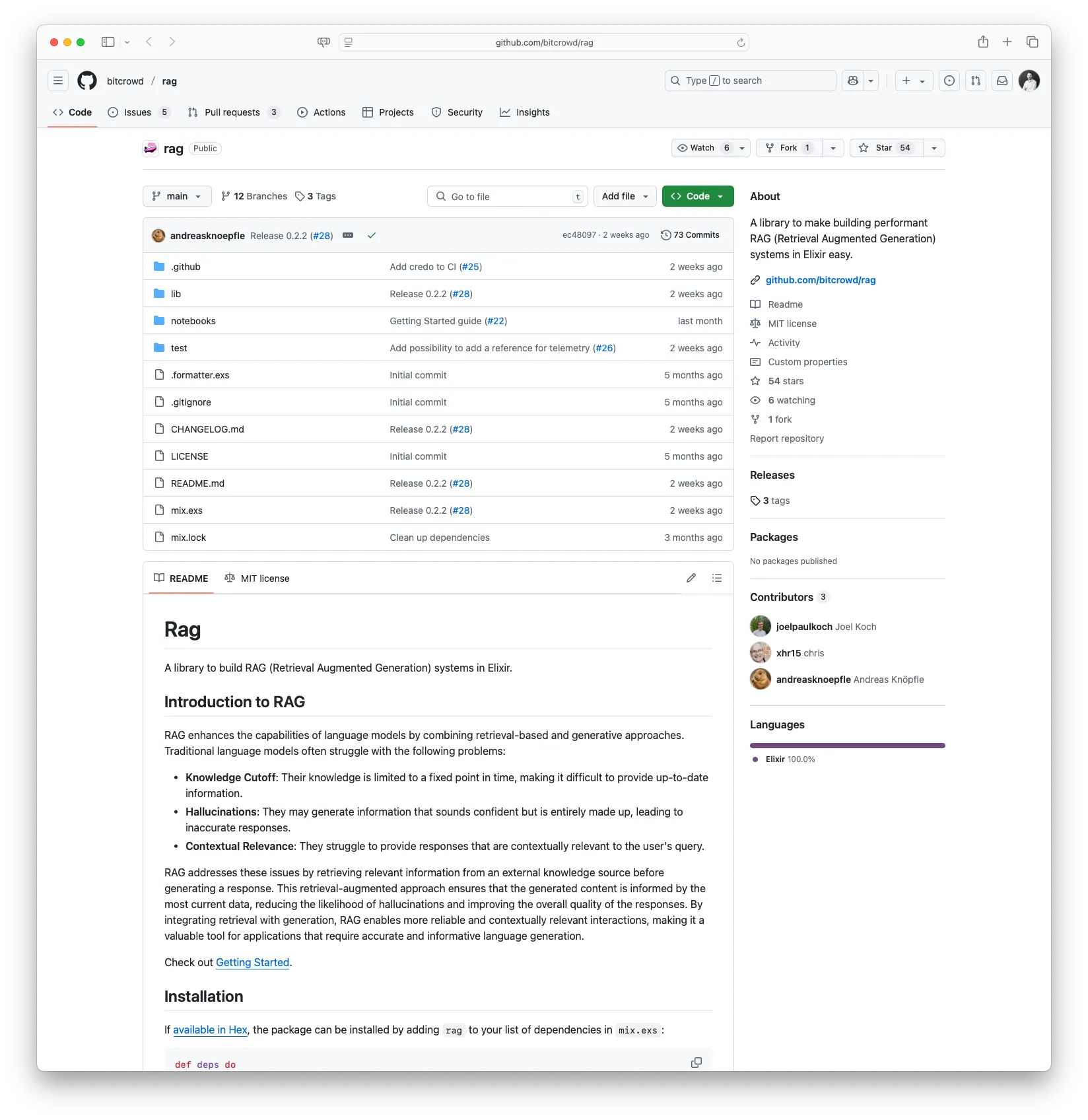
The bitcrowd/rag library facilitates the development of Retrieval-Augmented Generation (RAG) systems in Elixir by integrating external data retrieval with language model generation. It addresses challenges like knowledge cutoffs, hallucinations, and contextual relevance by fetching pertinent information from external sources before generating responses. The library supports vector stores such as pgvector and chroma, and includes tools for evaluation, including assessments of context relevance, groundedness, and answer relevance.
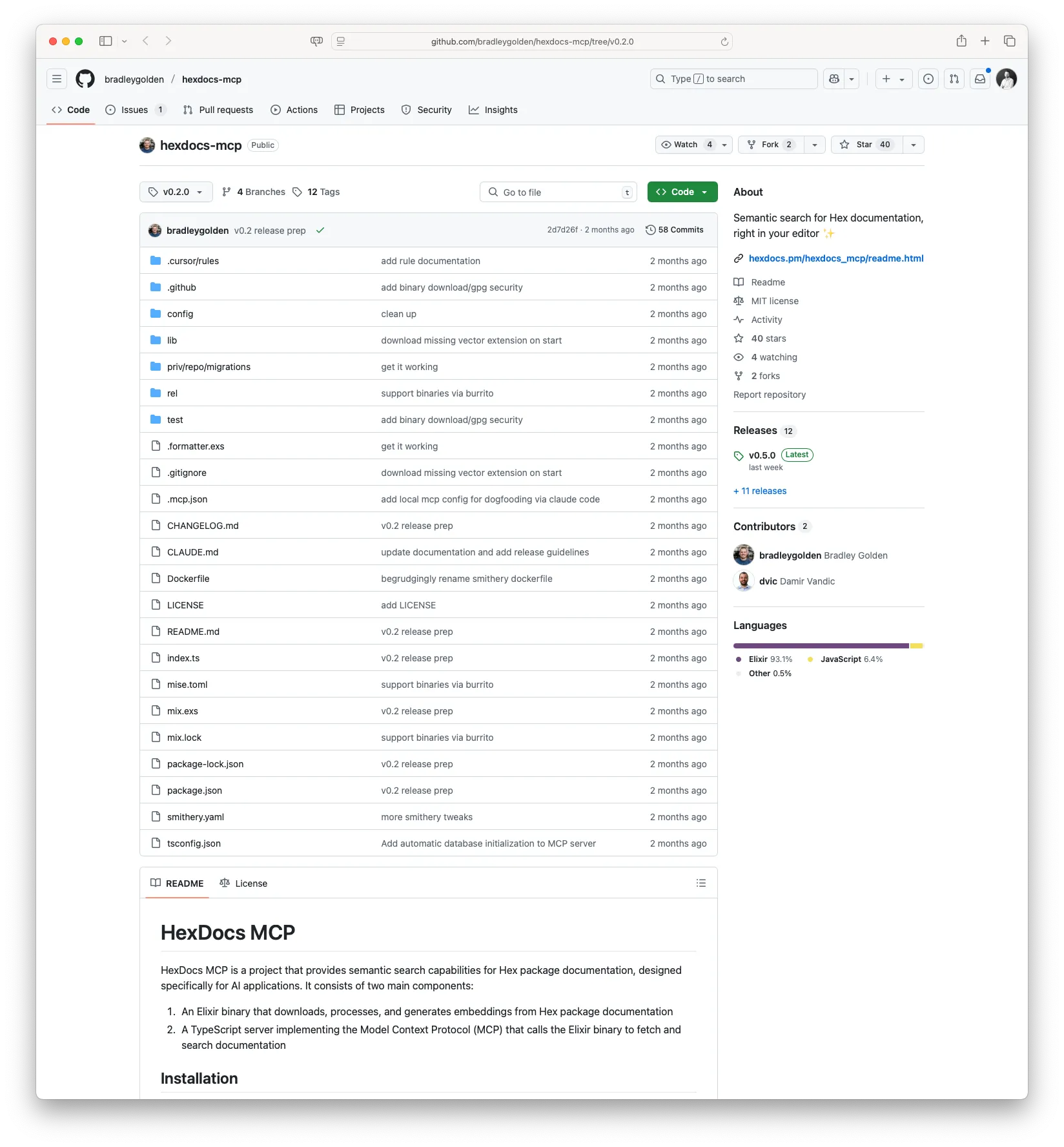
HexDocs MCP (v0.2.0) provides developers with a semantic search tool for Elixir's Hex package documentation. It comprises an Elixir library to fetch and embed docs, plus a TypeScript-based MCP server that enables AI assistants to query documentation via the Model Context Protocol.

Hex2txt is a tool that allows you to convert hex.pm package documentation into a /llms.txt file format to improve AI coding assistants' ability to write better Elixir code. This tool generates documentation files optimized for inference-time use by large language models, facilitating the generation of accurate code outputs. The tool includes features for generating documentation for both the latest and specific package versions, and aims to reduce the documentation file size to fit model constraints. A supplementary feature, hex2context, offers self-contained notebooks that efficiently use limited context window sizes by excluding less relevant information. These innovations address the need for precise and compact documentation for effective coding assistance.
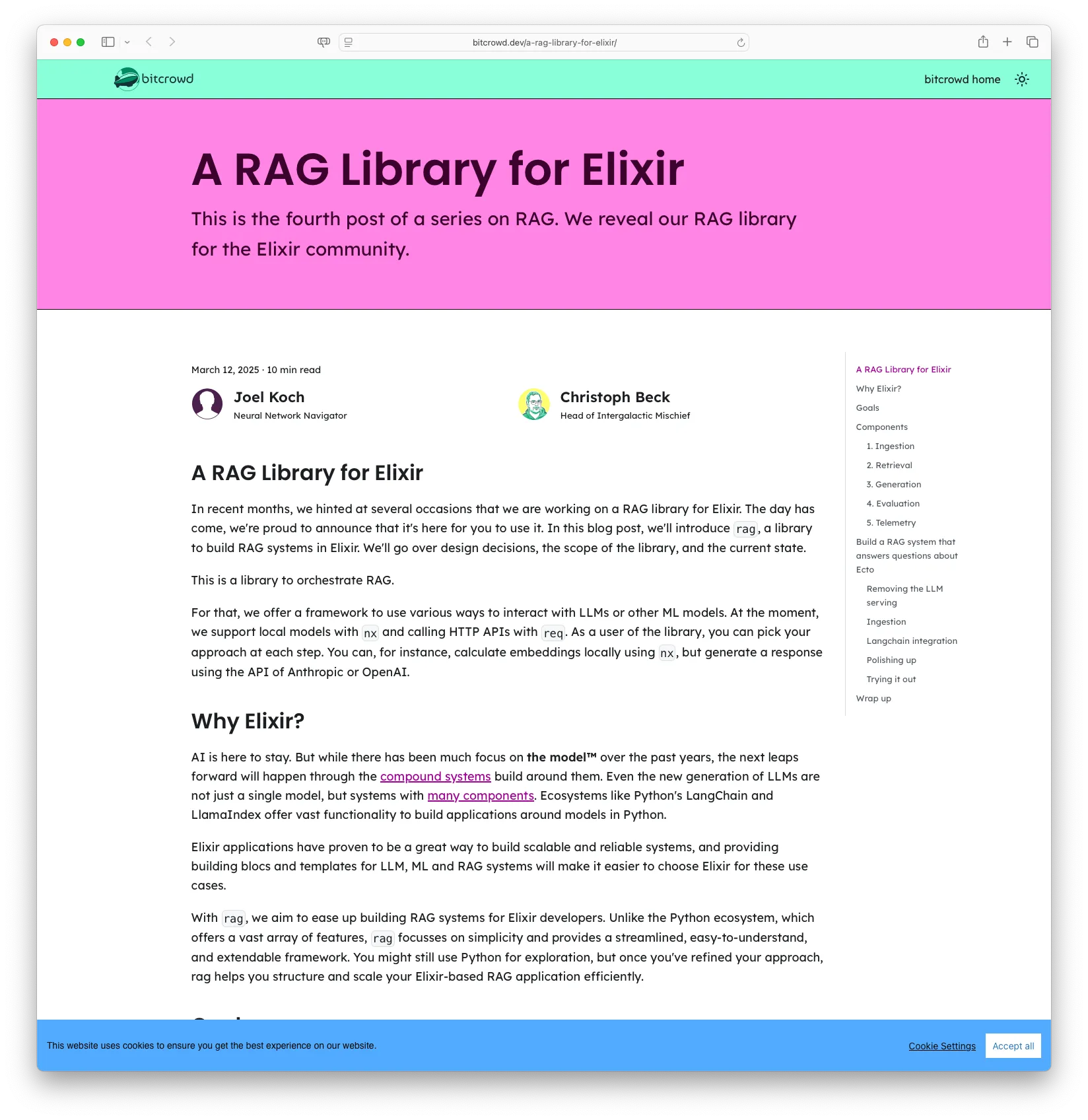
Bitcrowd introduces a new RAG library, 'rag', designed for building RAG systems using Elixir. This library supports orchestration of RAG via integrations with LLMs and ML models. Key features include a flexible framework for interacting with local models and APIs, allowing seamless integration and execution. The blog post emphasizes Elixir's advantages for scalable and reliable AI systems, contrasting the 'rag' library's simplicity and streamlined design with Python's extensive ecosystems. The article discusses RAG's components, including ingestion, retrieval, generation, evaluation, and telemetry, making Elixir a viable option for developers in the complex AI workflow landscape.

This tutorial by aziz abdullaev explores creating a WYSIWYG editor within Phoenix LiveView, integrating features like image insertion directly uploaded to an S3 bucket. Utilizing Quill.js for rich text editing and transforming content from HTML to Markdown, the article guides readers through setting up the editor with support for automatic image uploads. The tutorial covers using tools like Mdex for styling and demonstrates how markdown is converted and integrated into the LiveView application, ensuring a seamless user experience with styled content display.
The article discusses how to manage development environments using the Ash Framework with a focus on organizing seed data files in Elixir projects. Traditional methods of handling seeds can become unwieldy as applications grow, leading to complex and fragile scripts. The use of Ash Generators allows for modular and reusable data generation, leveraging faker libraries for realistic test data. This approach ensures consistency across the application by following production business logic. Additionally, the introduction of AshOps allows developers to generate data via Mix tasks, offering flexibility and ease of integration during development.
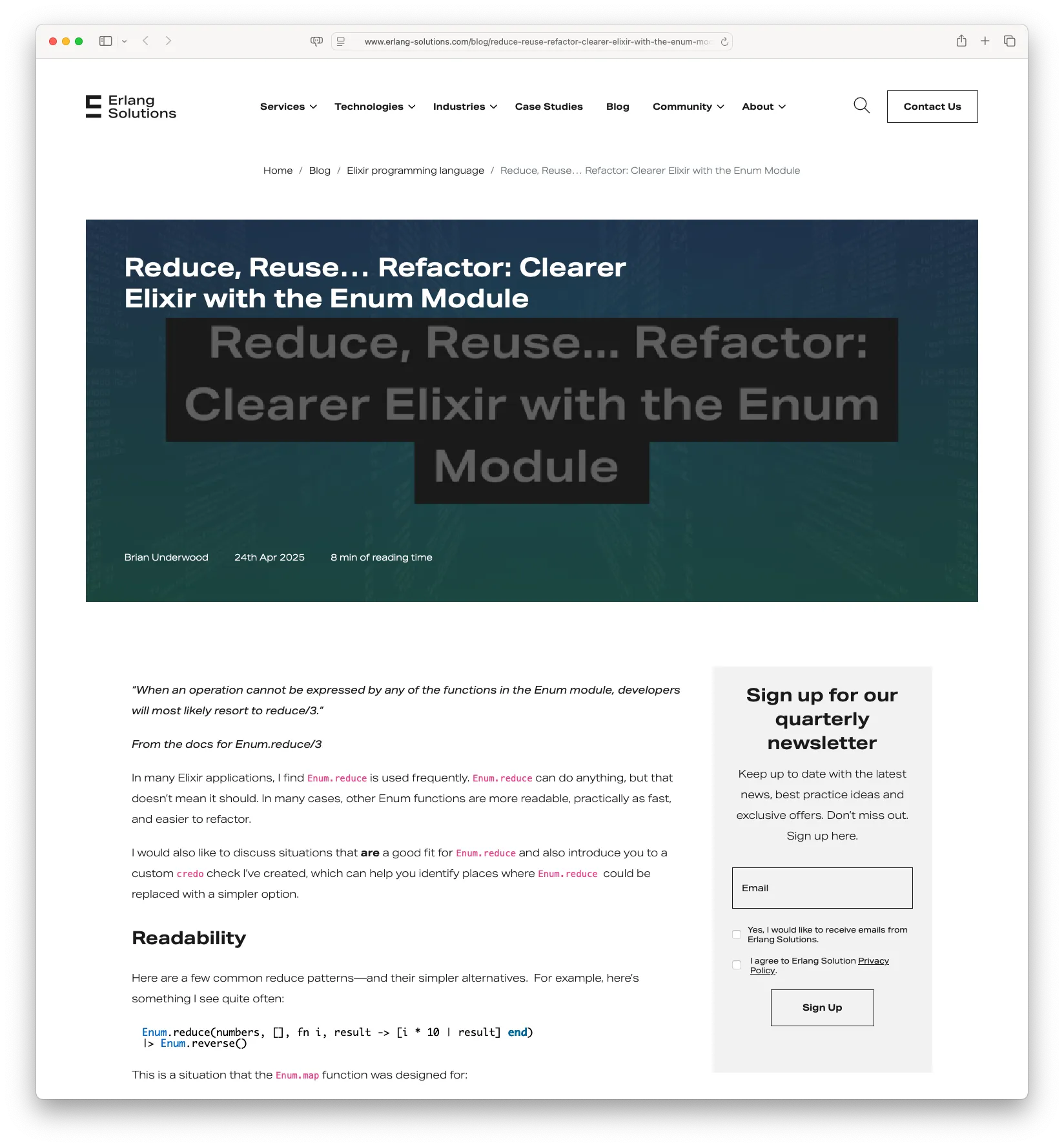
In this article, Brian Underwood explores how Elixir developers often rely on the Enum.reduce function, where a more straightforward solution might suffice. Underwood highlights the benefits of opting for other Enum functions that can enhance readability and efficiency without sacrificing performance. He also introduces a custom Credo check to help developers identify when Enum.reduce could be replaced with simpler alternatives, promoting better coding practices and refactoring.
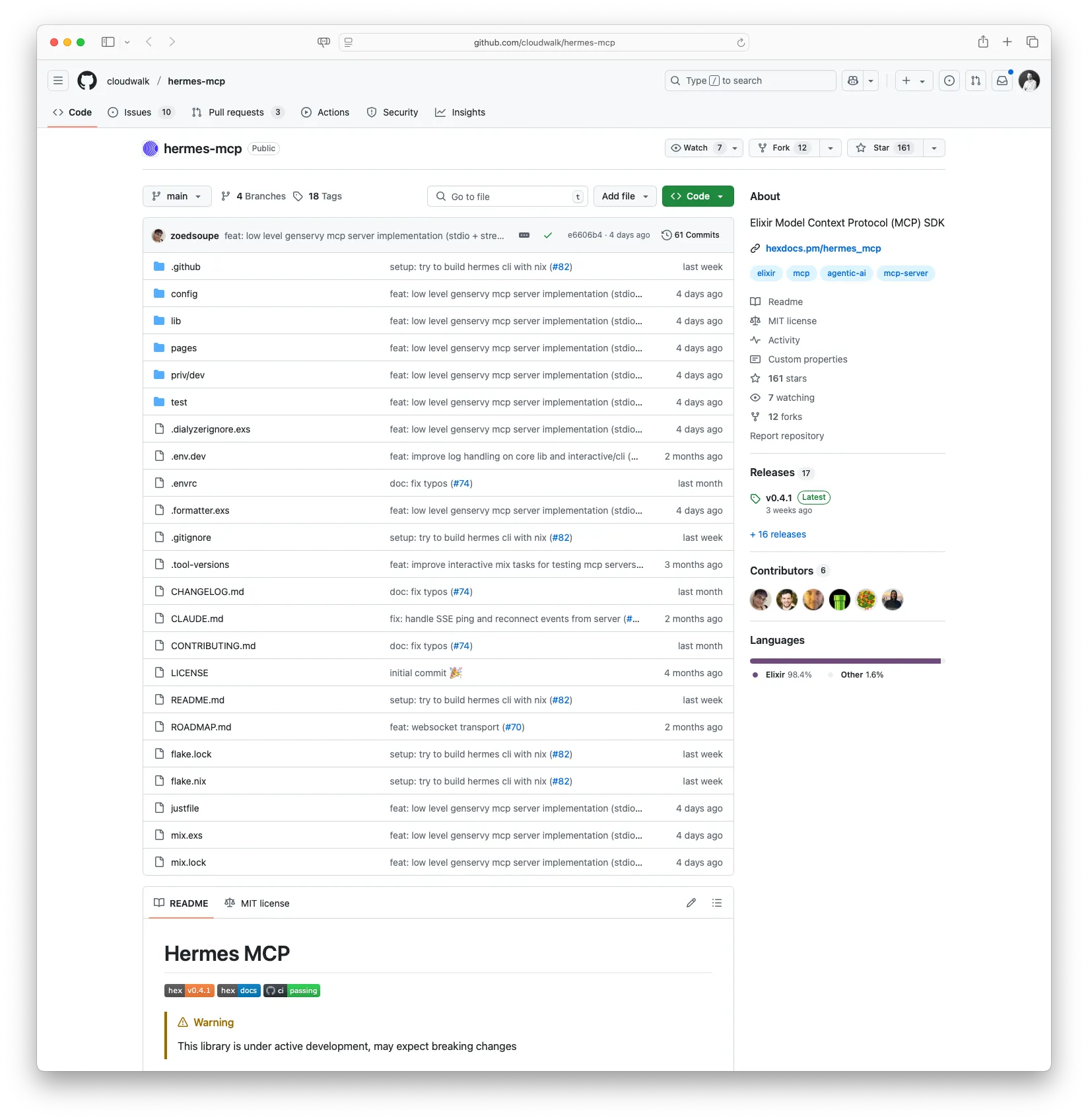
Hermes MCP is a production‑ready Elixir SDK that implements the Model Context Protocol (MCP) client per the 2024‑11‑05 spec, offering multiple transport layers (STDIO, HTTP/SSE, WebSocket), robust supervision, capability negotiation, progress tracking, automatic recovery, and structured logging. It currently focuses on client-side features, plans to support OAuth 2.1, JSON-RPC batch, enhanced tool annotations, and server-side components in upcoming phases.
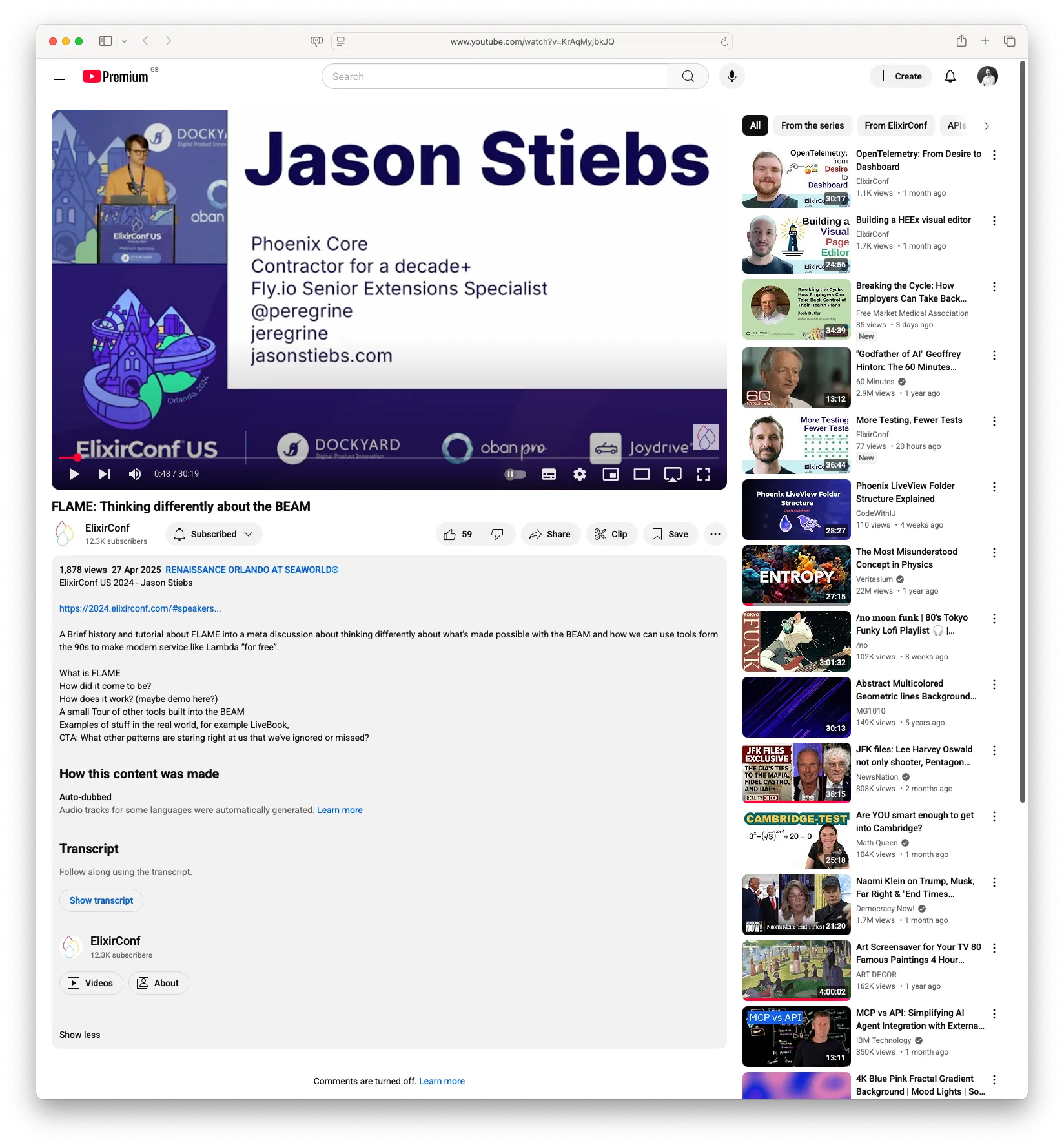
Jason Stiebs, at ElixirConf US 2024, presents an insightful talk about FLAME, offering a fresh perspective on the BEAM, a process-oriented virtual machine. Through a brief history and a tutorial, Jason dives into the intricacies of FLAME, expanding into a broader discussion of its implications. This presentation is both an educational resource and a meta-discussion that encourages thinking outside the traditional scope.

The article explores the challenges and solutions in safely sandboxing user code for high-performance applications at Sequin. It details the journey of evaluating various sandboxing approaches, such as VM-based, embedded languages, and custom interpreters, to meet the requirements of performance, security, and usability. Ultimately, Sequin opted for a 'Mini-Elixir' approach for its unmatched speed and simplicity, with plans to integrate further security measures for multi-tenant environments.
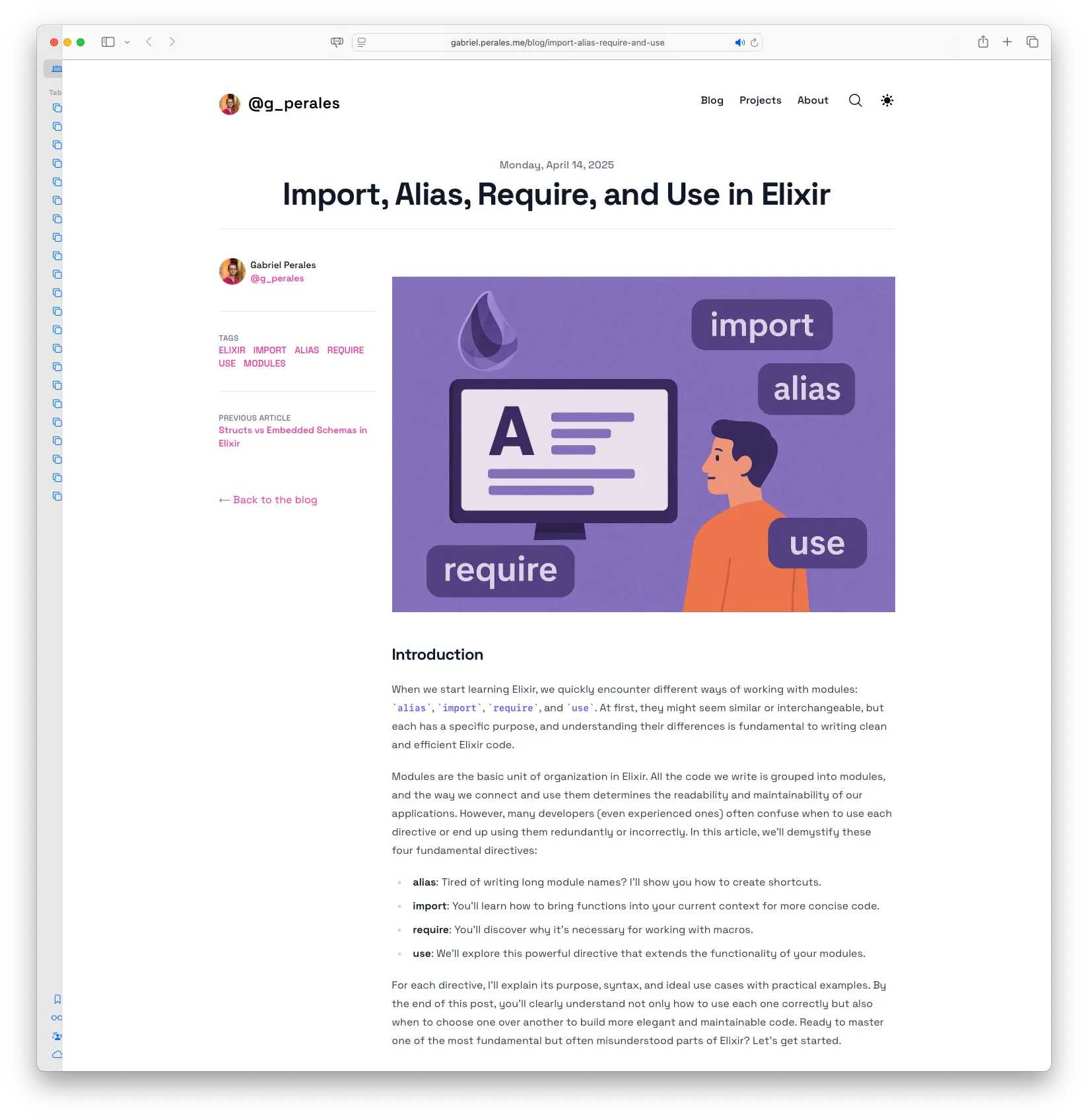
This article by Gabriel Perales delves into the different ways to work with modules in Elixir, focusing on the directives 'alias', 'import', 'require', and 'use'. Each directive is explained in detail, highlighting its purpose, syntax, and use cases, along with practical examples to clarify their roles in building clean and maintainable code. Readers will gain a comprehensive understanding of these essential Elixir tools and when to use them effectively for more elegant and readable programming. The article provides best practices and guidance on avoiding common pitfalls, such as namespace pollution and unclear dependencies.
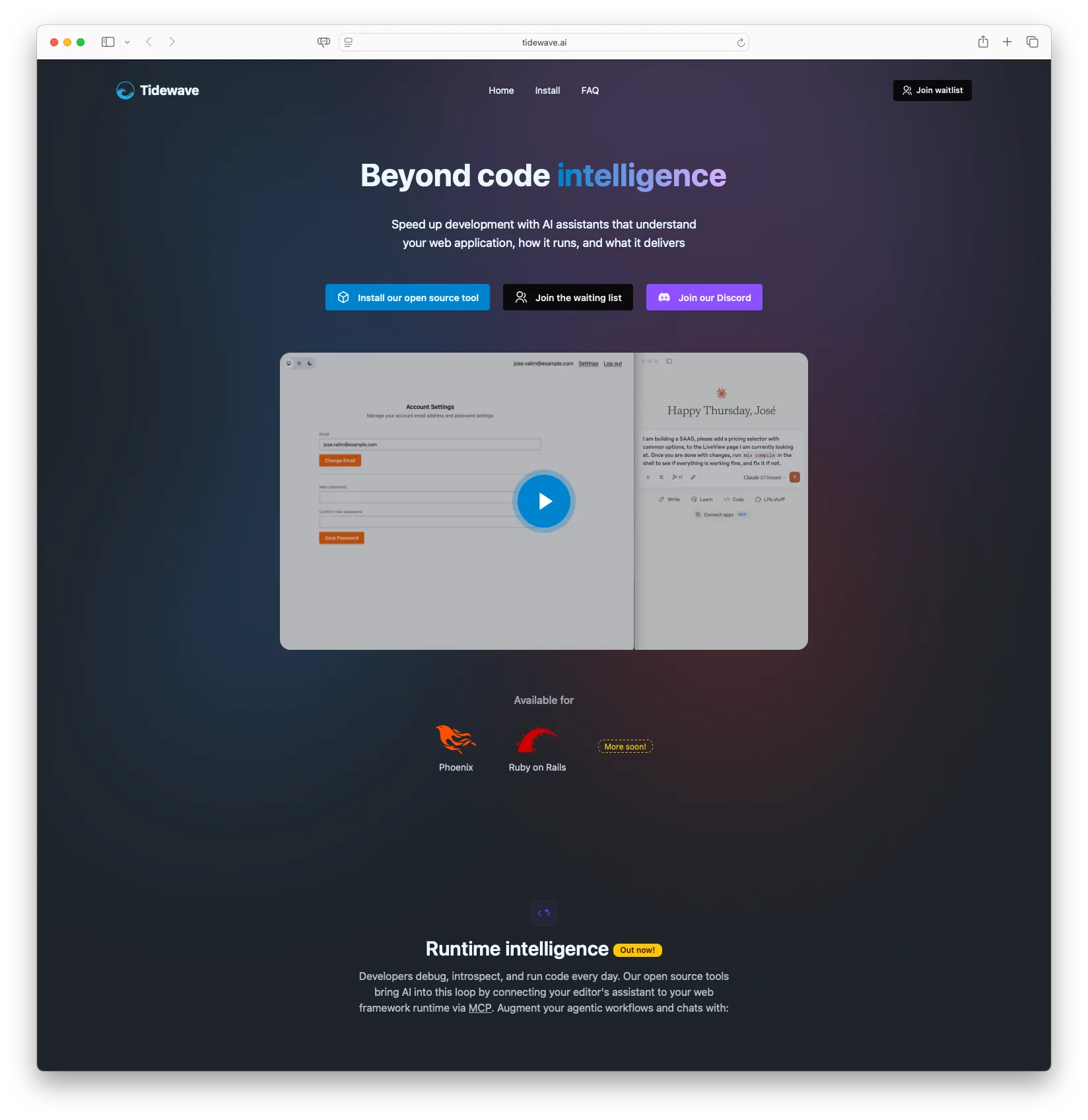
Tidewave is a tool that integrates AI into web development workflows to enhance debugging and coding processes. Their open-source tools utilize the Model Context Protocol to offer runtime intelligence, especially beneficial for debugging, introspecting, and extending functionalities within the user's web applications. Various integrations are available, enhancing the capabilities of platforms like Phoenix and Ruby on Rails, with more to come. The focus is on improving developer experiences by giving them deeper insights into their web app operations.
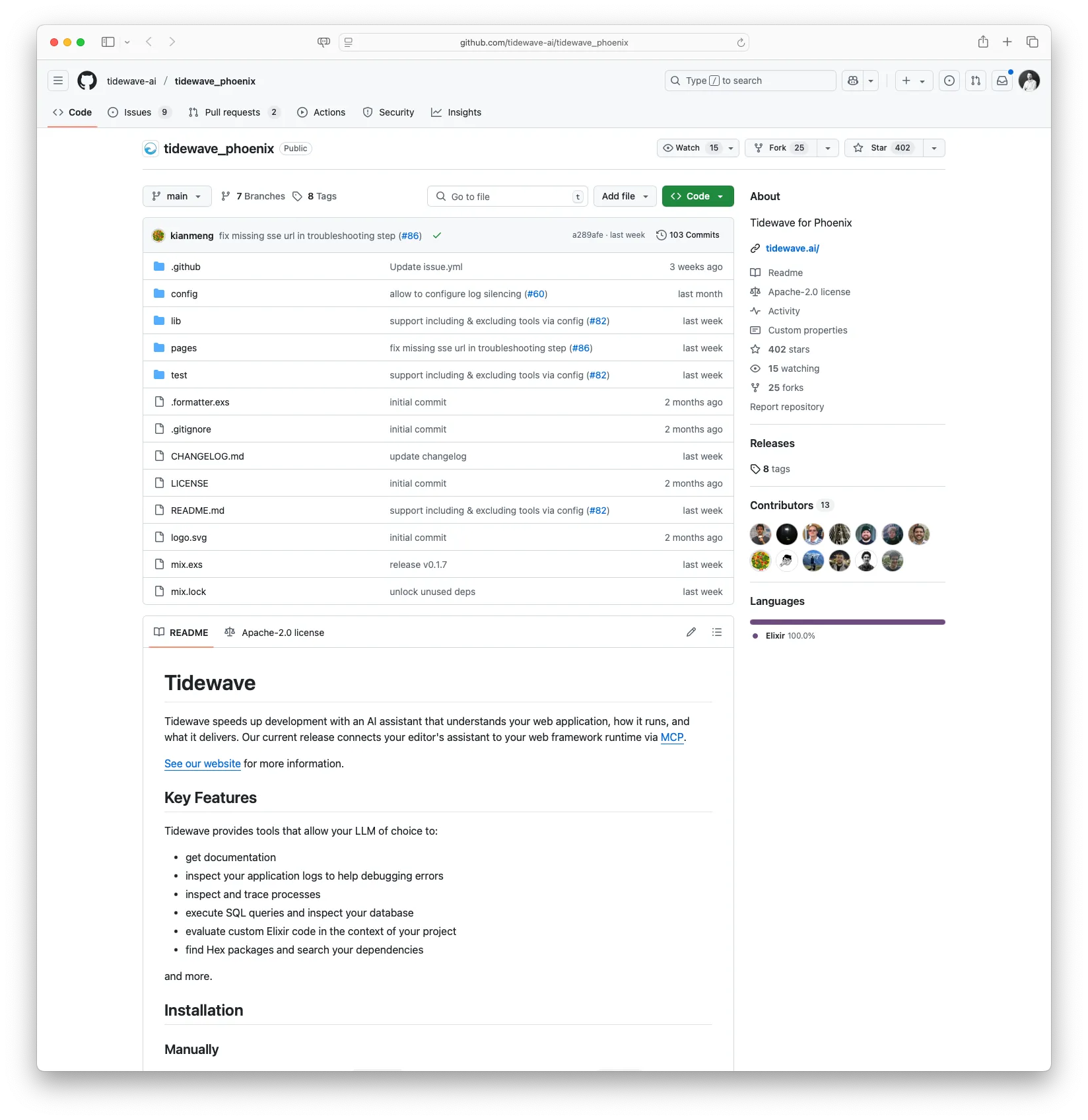
Tidewave embeds an MCP server into Phoenix (and Rails) apps to expose runtime tools—like log, database, code evaluation, and documentation introspection—to LLM-powered editors, enabling AI agents to interact with, inspect, and modify live applications, not just static code. Early adopters report significant productivity gains, with AI hallucinations dropping and meaningful code contributions in multi-file tasks when using VS Code and GitHub Copilot.
Regards,
M@
[ED: If you'd like to sign up for this content as an email, click here to join the mailing list.]
Originally published on quantumfaxmachine.com. Also cross-published on Medium.
hello@matthewsinclair.com | matthewsinclair.com | bsky.app/@matthewsinclair.com | masto.ai/@matthewsinclair | medium.com/@matthewsinclair | xitter/@matthewsinclair
Was this useful?