
QFM084: Irresponsible AI Reading List - September 2025
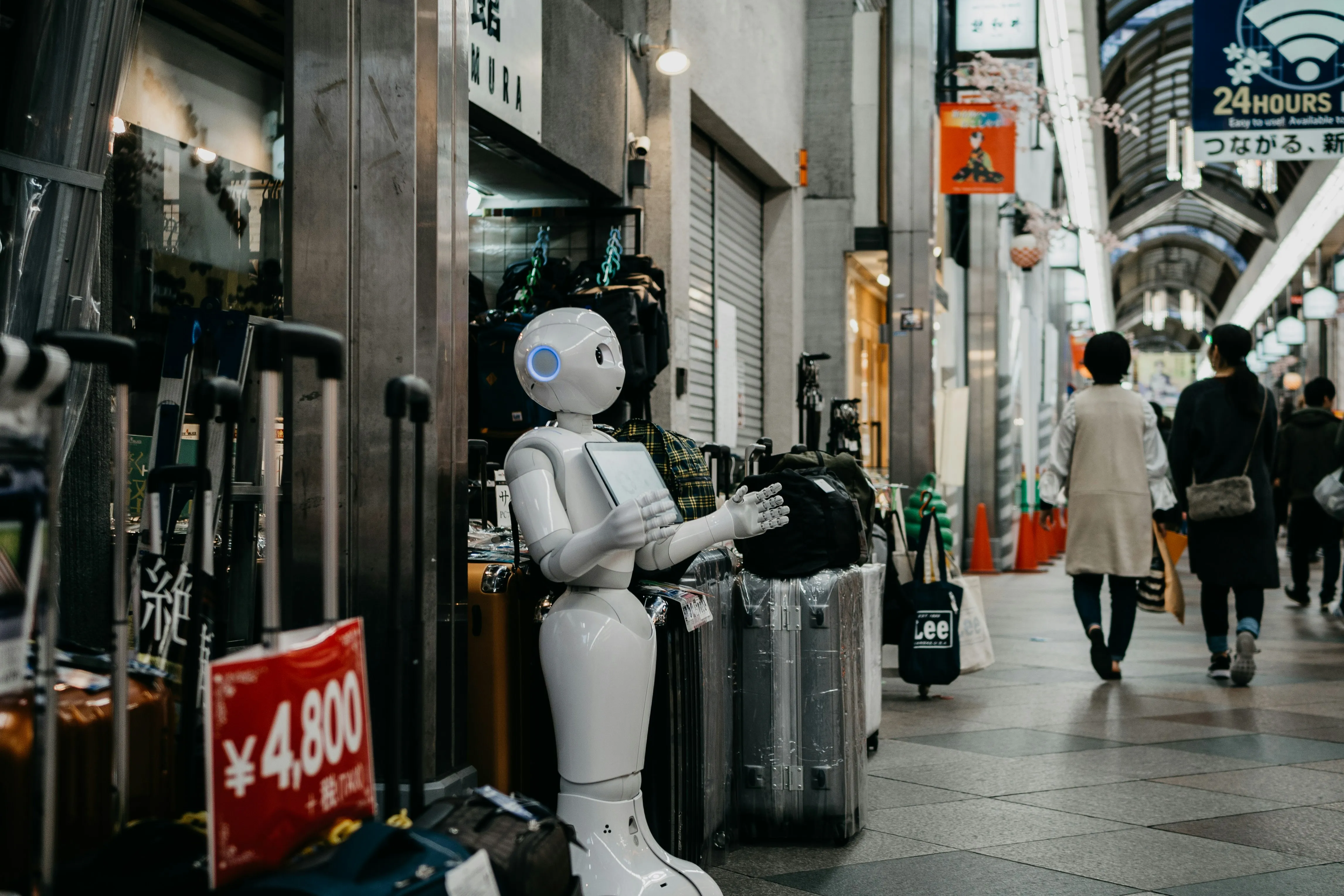 Source: Photo by Rock'n Roll Monkey on Unsplash
This month's Irresponsible AI Reading List examines the emerging industry of fixing AI-generated code. The Software Engineers Paid to Fix Vibe-Coded Messes reports on developers earning premium rates to untangle AI-generated spaghetti. Greatest Irony of the AI Age: Humans Hired to Clean AI Slop highlights the paradoxical growth of AI cleanup jobs.
Vibe Coding Cleanup as a Service explores how some entrepreneurs are turning AI's failures into business opportunities.
As always, the Quantum Fax Machine Propeller Hat Key will guide your browsing. Enjoy!
Propeller Hat Key
- 1 of 5:
- Mentions AI
- 2 of 5:
- Talks about irresponsible AI
- 3 of 5:
- Talks about irresponsible AI in a real-world failure scenario
- 4 of 5:
- Talks about technical details of irresponsible AI
- 5 of 5:
- Discusses technical details and mitigations of irresponsible AI
Links
AI-generated code is driving demand for a new service category where specialists charge $200-400/hour to fix production-unready code plagued by security vulnerabilities, architectural inconsistencies, and technical debt. GitClear's analysis shows AI assistance correlates with 41% more code churn, while Georgetown research found 48% of AI-generated code contains security vulnerabilities, creating both immediate cleanup opportunities and long-term "competency debt" as teams become dependent on code they don't understand. With Gartner predicting 75% of enterprise engineers will use AI assistants by 2028, dedicated marketplaces like VibeCodeFixers.com have emerged to match cleanup specialists with startups that burned through credits on half-working prototypes requiring refactoring before production deployment.
A growing market of freelance developers and companies is building a business around fixing poorly written "vibe coded" software—code developed without proper planning or structure. What began as a LinkedIn joke about "vibe coding cleanup specialists" has become a legitimate profession as organizations deal with the technical debt left behind by hastily developed projects.
As AI systems proliferate and displace jobs, a new economic paradox has emerged where humans are increasingly hired to fix the low-quality, error-prone output that AI generates—often the same workers whose creative jobs were undercut by AI in the first place. AI slop, defined as low-quality AI-generated content flooding social media, news outlets, and streaming platforms, has become so prevalent that skilled designers, writers, and artists now find employment improving rather than creating original work. This ironic employment boom reveals a fundamental limitation of current AI: while capable of producing volume at scale, it requires human intervention to achieve quality and coherence in complex creative tasks.
Regards,
M@
[ED: If you'd like to sign up for this content as an email, click here to join the mailing list.]
Originally published on quantumfaxmachine.com and cross-posted on Medium.
hello@matthewsinclair.com | matthewsinclair.com | bsky.app/@matthewsinclair.com | masto.ai/@matthewsinclair | medium.com/@matthewsinclair | xitter/@matthewsinclair
Was this useful?